Barry Raftery (1944-2010)
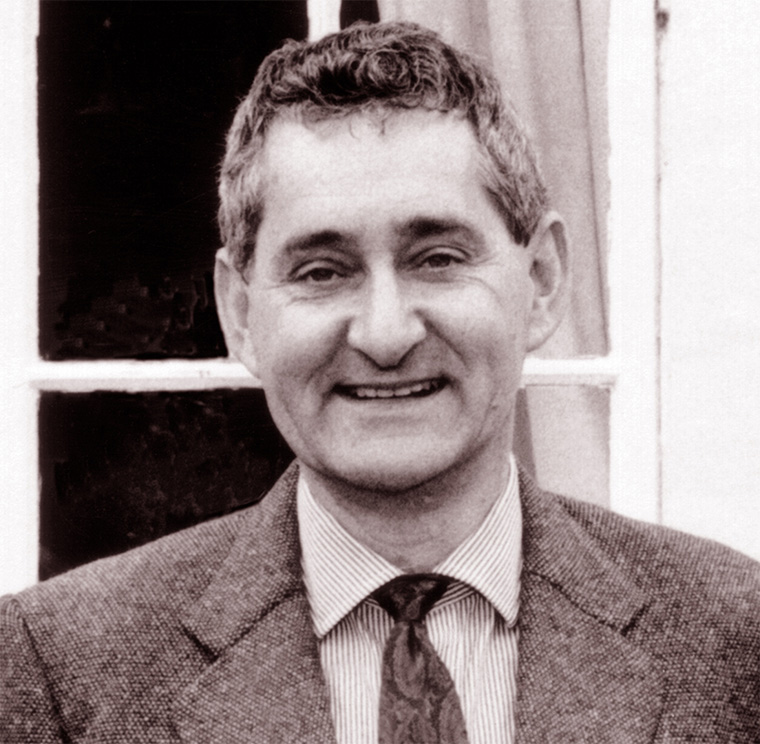 Barry Raftery | Irish Iron Age Archaeologist and Celtic Scholar
Barry Raftery was one of Ireland’s most distinguished archaeologists. He is best known for his pioneering contributions to the understanding of the Irish Iron Age, wetland archaeology and prehistoric hillforts. His research transformed how scholars and the public alike view later prehistoric Ireland.
Early Life and Education
Barry Joseph Raftery was born in Dublin on 16 August 1944, the younger of two sons of Joseph and Lotte Raftery. His father, Joseph Raftery, was a noted archaeologist who served as Director of the National Museum of Ireland. Barry’s earliest memories of archaeology were shaped by summers spent working with his father on excavations around Lough Gara in County Sligo. These experiences ignited his lifelong passion for uncovering Ireland’s past.
He was educated at Belvedere College in Dublin and went on to study archaeology and geography at University College Dublin (UCD), graduating with a Bachelor of Arts in 1965. While at UCD he met his future wife, Nuala Sproule. He completed a Master of Arts in 1967 and after extensive research in Ireland and Europe, was awarded his PhD in 1977.
Academic Career and Excavations
Raftery joined the Department of Archaeology at UCD as a lecturer in 1970. In the 1970s his research focused on Ireland’s late prehistoric hillforts, most notably the Bronze Age fort at Rathgall in County Wicklow, where his excavations brought new clarity to settlement and societal structures prior to the Iron Age.
A pivotal turn in his work came in the mid-1980s when he spearheaded systematic investigations into Ireland’s wetlands. In 1985 he began fieldwork on ancient wooden trackways buried in the raised bogs of the Midlands. The most famous of these was the Corlea Trackway in County Longford, a massive Iron Age wooden roadway which became one of the largest archaeological conservation projects in Ireland at the time. Raftery was instrumental in establishing the Irish Archaeological Wetland Unit at UCD in 1990 to support this work and anchor long-term research into wetland sites.
Across his career he also lectured widely in Europe, holding visiting professorships at institutions including the Ludwig Maximilian University of Munich, Kiel University and the University of Vienna.
Publications and Influence
In 1994 Raftery published his seminal book Pagan Celtic Ireland: The Enigma of the Irish Iron Age. This work synthesised decades of field research and helped shape modern interpretations of Celtic society in Ireland, combining archaeological findings with broader European prehistoric context.
He also published Trackways Through Time: Archaeological Investigations on Irish Bog Roads, 1985-89 in 1990.
Later Years and Legacy
Appointed Professor and Chair of Celtic Archaeology at UCD in 1996, Raftery led the department through a period of growth and innovation, championing postgraduate research and interdisciplinary study until his retirement in 2007. According to colleagues and students he was an inspiring teacher with a generous spirit and a deep commitment to nurturing new generations of archaeologists.
Barry Raftery passed away in Dublin on 22 August 2010 after a long illness. He left behind a profound legacy in Irish archaeology through his fieldwork, scholarship and the many students and professionals he mentored. His work on wetland trackways, hillforts and the Iron Age continues to influence research and public understanding of Ireland’s prehistoric past.