Beltane - The Fire Festival
The Celtic Festival of Beltane (Beltain, Beltainne, Beltaine, Bealtaine, Beltany) which marks the beginning of summer in the ancient Celtic calendar is a Cross Quarter Day, halfway between the Spring Equinox and the Summer Solstice. While the Beltane Festival is now associated with May 1st, the actual astronomical date is a number of days later. The festival was marked with the lighting of bonfires and the movement of animals to summer pastures.
In Irish mythology, the beginning of the summer season started with the Fire Festival at Beltane. Great bonfires would mark a time of purification and transition, heralding in the season in the hope of a good harvest later in the year, and were accompanied with rituals to protect the people from any harm by otherworldly spirits.
At the Beltany (Beltony) Stone Circle in the North West of Ireland, the sunrise at Beltane is aligned with the only decorated stone in the circle. The Beltany Stone Circle gets its name from Beltane which is associated with the lighting of hilltop fires in a rekindling of the sun.
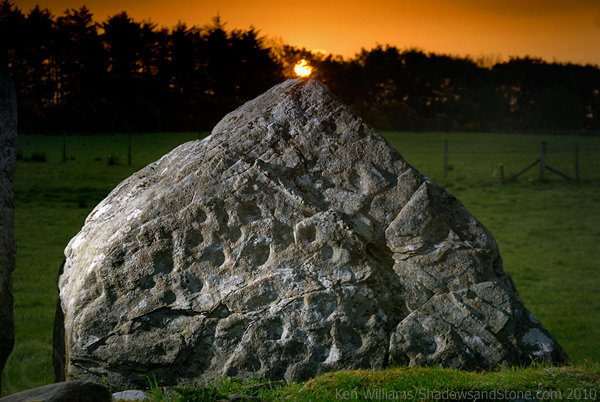 Sunrise at Bealtaine by Ken Williams
The Beltany Stone Circle astronomical alignment is not precise as at Newgrange, it is more circumstantial, the Stone Circle gets its name from Beltane and the sun rises at Beltane behind the only stone that is decorated.
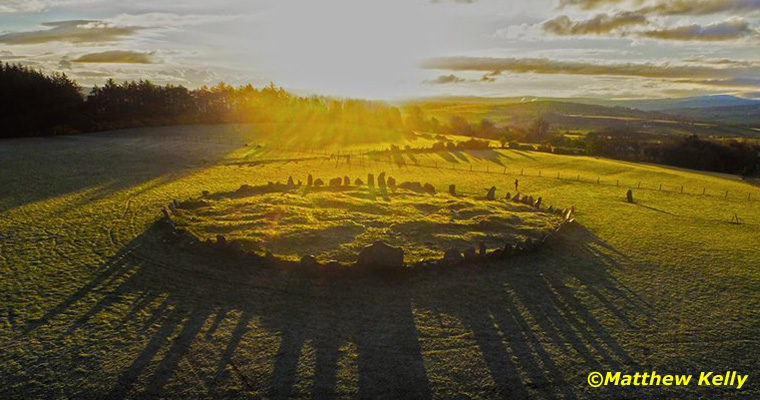 Bealtaine sunrise Beltany (Beltony) Stone circle by Matthew Kelly
Beltane was a pivotal moment in the agricultural year, marking the point when the landscape visibly shifted from spring growth into early summer abundance. Fields were greening, daylight was lengthening rapidly, and the risk of frost was largely past. For farming communities, this transition carried both opportunity and risk, making Beltane a time when protection, blessing and careful observance of the natural world were considered essential.
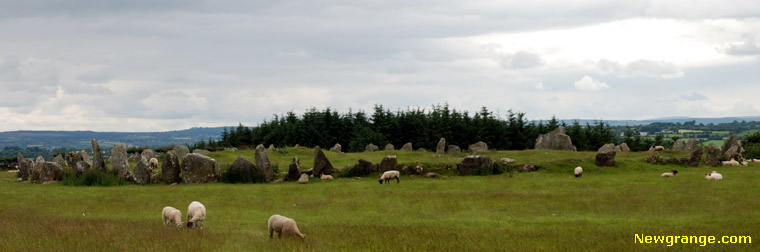 Beltany (Beltony) Stone Circle - Co. Donegal in the North West of Ireland
Fire played a central symbolic role at Beltane, not only as a practical source of warmth and light, but as a powerful agent of renewal. In tradition, hearth fires were extinguished and relit from the communal bonfire, reinforcing social bonds and the idea of shared protection. Smoke and flame were believed to purify people, animals and dwellings, helping to guard against illness and misfortune during the coming months.
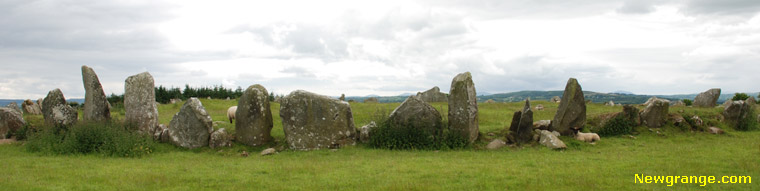 Beltany (Beltony) Stone Circle
Beltane also marked a loosening of boundaries between the human world and the otherworld. Folklore suggests this was a liminal time when unseen forces were especially active, requiring respect and caution. Offerings, charms and ritual actions were ways of acknowledging these forces and maintaining balance, reflecting a worldview deeply rooted in seasonal cycles rather than fixed calendar dates.
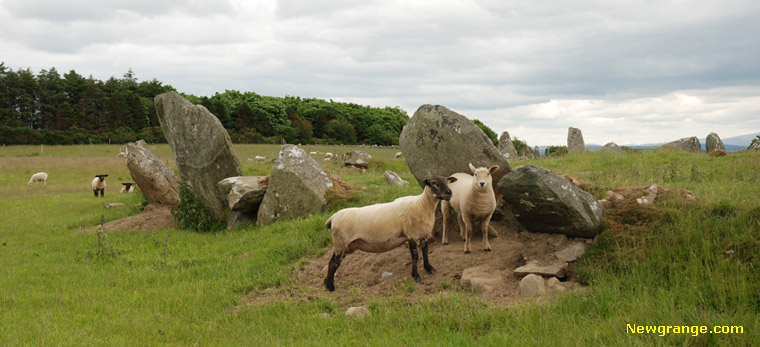 Beltany (Beltony) Stone Circle
Although many physical traces of Beltane celebrations have been lost, echoes remain in place names, folklore and the siting of ancient monuments. The festival sits within a broader framework of seasonal observances that structured time for prehistoric and early historic communities, linking landscape, sky and human activity into a coherent and enduring pattern.
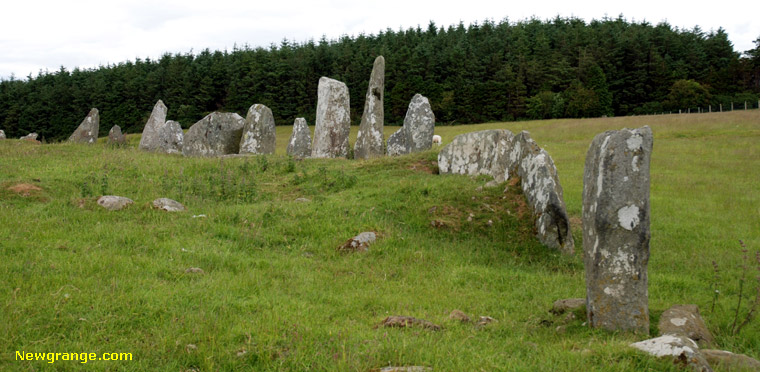 Beltany (Beltony) Stone Circle